November 22, 2026
Lismore Driveway Cleaning: Best Practices for River Silt
By @keeganqqmp626
Lismore sits on the floodplain of the Wilsons River, in the heart of the Northern Rivers region of New South Wales. Residents know that when the river rises, it leaves more than water behind. Fine silt, clay, organic matter and sometimes contaminants settle across driveways, paths and yards. If the silt is not handled correctly, it can stain concrete, clog drainage, create slip hazards and harm the surfaces beneath. This guide covers the best practices for cleaning river silt from driveways in Lismore, including safety, technique, equipment and long-term maintenance.

Understanding River Silt and Why It Matters
River silt is a mix of very fine mineral particles, clay, decaying plant material and, after major flood events, potentially sewage, fuel, chemicals and agricultural runoff. Northern Rivers floodwater often carries topsoil from upstream catchments, which gives the deposit its characteristic brown or grey colour and its sticky texture when wet.
Once silt dries, it hardens into a crust that bonds to porous surfaces such as unsealed concrete, exposed aggregate, pavers https://codywuxu569.quantlynix.com/posts/pressure-cleaning-after-renovations-dust-mud-and-debris and bitumen. Left in place, it can:
- Leave tannin and organic stains that are difficult to remove later
- Create slippery surfaces when damp, particularly where algae and mould establish
- Wash into stormwater drains and block pipes and pits
- Work its way into paver joints and encourage weed growth
- Trap moisture against the surface and accelerate wear
Safety First: Before You Start Cleaning
Flood silt should be treated as potentially contaminated until proven otherwise. Following a flood, check current guidance from NSW Health, Lismore City Council and the NSW SES before beginning any cleanup.
Personal Protective Equipment
Wear waterproof gloves, gumboots or closed rubber footwear, long sleeves and long pants. Use eye protection when pressure washing or shovelling, and wear a P2 respirator mask if the silt is drying and creating dust. Cover any cuts or grazes with waterproof dressings and wash hands thoroughly with soap and clean water after finishing.
Check for Hazards
Inspect the driveway for debris, broken glass, nails, fuel spills and dead animals. Be alert for snakes and other wildlife that may shelter in flood debris, which is common in the Northern Rivers. If you see signs of asbestos in damaged older building materials, stop and seek licensed assessment before disturbing them. Also stay clear of any fallen powerlines and have electrical outlets or equipment near the driveway checked by a licensed electrician before use.
Step-by-Step Silt Removal Process
The order in which you tackle the work makes a significant difference to both the result and the effort required. Removing the bulk of the silt dry or damp, before introducing large amounts of water, prevents you from turning the problem into a slurry that spreads and sinks into the surface.
- Remove large debris first. Clear branches, rubbish, rocks and other items by hand or with a rake.
- Shovel the bulk silt. Use a flat-edged shovel to scrape thick deposits into a wheelbarrow or onto a tarp. Work from the highest point of the driveway to the lowest.
- Sweep or squeegee thin layers. A stiff outdoor broom or rubber squeegee removes remaining residue without driving it into the surface.
- Pre-wet if the silt has dried hard. Gently soften the crust with a garden hose before scraping again. Avoid heavy flushing at this stage.
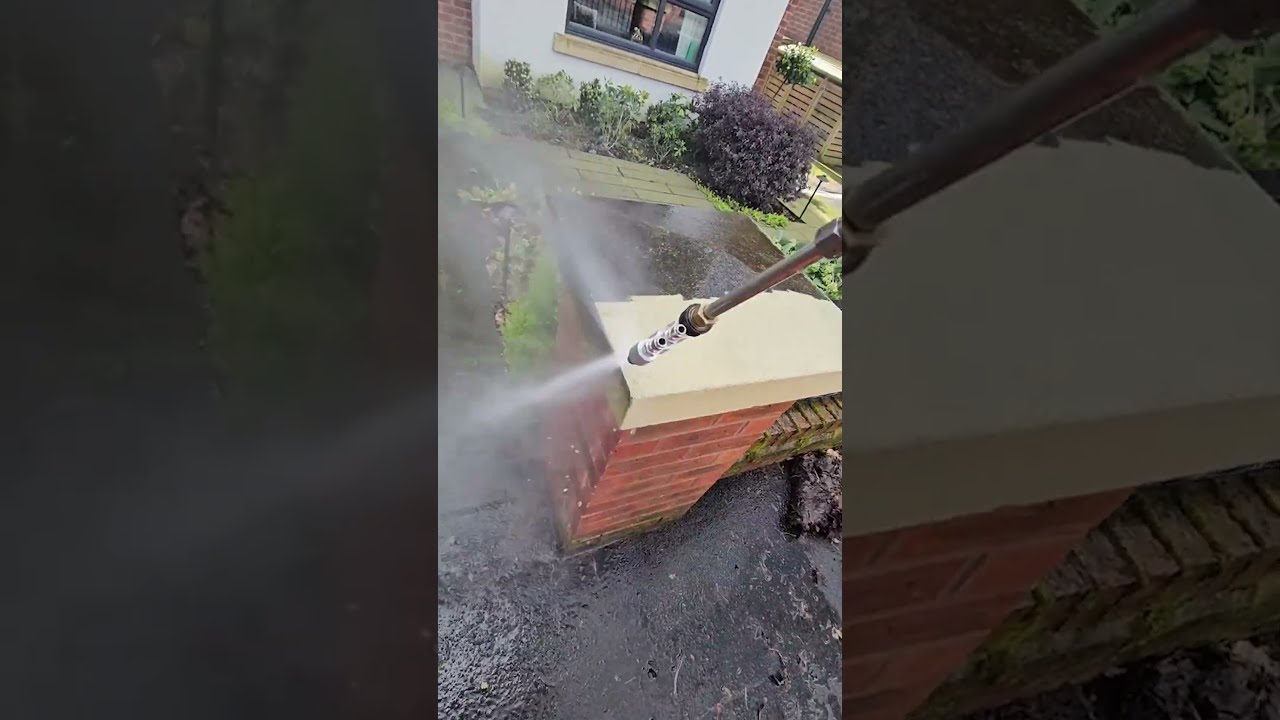
- Wash with a pressure cleaner. Use a suitable pressure and nozzle for the surface, working in overlapping strokes.
- Treat stains and organic growth. Apply an appropriate cleaner, then rinse thoroughly.
- Inspect and repeat. Silt in textured surfaces or joints may need a second pass once the surface dries.
Choosing the Right Method for Your Driveway Surface
Different driveway materials respond differently to pressure and chemicals. Lismore properties commonly have plain concrete, exposed aggregate, concrete pavers, bitumen or gravel, and each requires a tailored approach.
Concrete and Exposed Aggregate
Concrete tolerates higher pressure, but excessive force can etch the surface or strip the cement paste from exposed aggregate, leaving stones loose. A pressure of roughly 2,000 to 3,000 PSI with a fan tip held at a consistent distance is typically adequate. A surface cleaner attachment gives a more even finish than a wand and reduces streaking.
Pavers
Pavers are vulnerable to joint sand loss. High pressure can blast out the sand that locks them in place, causing movement and weed growth. Use lower pressure, keep the nozzle moving, and plan to re-sand the joints with kiln-dried or polymeric sand after cleaning, then compact and seal if appropriate.
Bitumen and Asphalt
Bitumen softens in heat and can be damaged by strong solvents and concentrated pressure. Use low pressure, a wide fan tip, and mild detergents. Avoid petroleum-based products, which can dissolve the binder.
Gravel and Crushed Rock
Silt embedded in gravel is difficult to remove completely. Raking and removing the top layer of contaminated material, then replenishing with fresh aggregate, is often more effective than washing.
Dealing with Stains, Mould and Slippery Surfaces
The humid subtropical climate of Lismore encourages mould and algae growth on damp driveways, especially in shaded areas. After silt is removed, a cleaning treatment helps eliminate organic residue that remains in the pores of the surface.
- Sodium hypochlorite solutions are commonly used to kill mould and algae on concrete. Dilute according to label instructions, keep it away from plants and never mix with other chemicals.
- Oxygen bleach products are gentler on gardens and lawns and are suitable for general organic stain removal.
- Degreasers help where fuel or oil has been carried in by floodwater.
- Rust removers may be needed if iron-rich silt or metal debris has left orange staining.
Always test any product on a small hidden area first, and wet surrounding plants before and after application to dilute any overspray.
Water Use and Environmental Responsibility
Washing silt and cleaning chemicals into the stormwater system is a concern for local waterways, including the Wilsons River and Leycester Creek. Stormwater drains are not connected to the sewerage system and discharge largely untreated. Where possible:
Direct wash water onto lawns or garden beds where it can filter through soil, provided no hazardous contaminants are present. Shovel and collect solid silt rather than hosing it into the gutter. Use a drain cover or sediment barrier when washing near a stormwater pit. Choose biodegradable cleaners where available, and check the latest council and NSW EPA guidance on wash water disposal and flood waste.
Silt suspected of containing sewage, fuel or chemicals should not be spread on garden areas. Contact Lismore City Council for advice on appropriate disposal of flood-affected waste.
Preventing Future Silt Build-Up and Staining
While no driveway can be fully protected from a major flood, a few measures make cleanup easier and reduce long-term damage.
Seal the Surface
A quality penetrating sealer reduces porosity, which helps stop silt and tannins from bonding to the driveway. Sealing is best done on a clean, completely dry surface and should be reapplied every few years depending on the product and traffic levels.
Improve Drainage
Make sure grates, channel drains and culverts on your property are clear and functioning. Regular maintenance helps water move off the driveway faster, which reduces the amount of sediment left behind as water recedes.
Maintain Joints and Edges
Keep paver joints filled, repair cracks promptly and trim vegetation along the edges of the driveway. Intact surfaces are easier to clean and less likely to trap silt.
When to Call a Professional Driveway Cleaner
DIY cleaning is practical for small deposits and light staining, but professional help is worth considering in several situations. Large silt volumes, driveways with delicate surfaces, suspected contamination, heavy mould growth or extensive staining can all benefit from commercial-grade equipment and trained operators. Professionals typically use hot water systems, surface cleaners and recovery equipment that capture wash water, which improves results and helps meet environmental expectations.
When choosing a local provider, ask about their experience with flood silt, how they manage wash water, whether they hold public liability insurance, and what methods they use on your particular surface type. Obtaining a written quote that outlines the scope of work helps avoid surprises.
Key Takeaways for Lismore Property Owners
Effective river silt cleaning in Lismore comes down to preparation, correct sequencing and surface-appropriate methods. Prioritise safety and treat flood silt as potentially contaminated, remove bulk material before washing, match your pressure and products to the driveway surface, and protect local waterways from runoff. With proper cleaning and sealing, driveways can be restored to a safe, clean condition and be better prepared for the next time the river rises.
Lismore Pressure Cleaning
(02) 6617 2969
❧